From the moment we step into adulthood, we’re told that our worth is tied to what we do. Our careers, our roles as providers, our responsibilities as fathers, husbands, or leaders—these become the labels that define us. But what happens when those roles shift? When the job disappears, the kids grow up, or life takes an unexpected turn? Who are we when the titles are stripped away?
This is a challenge I’ve faced personally. For years, I tied my identity to my career, my responsibilities, and the expectations placed on me. I thought if I just worked harder, achieved more, and took care of everything, I’d be enough. But what I realized is that when we define ourselves solely by our roles, we risk losing who we truly are.
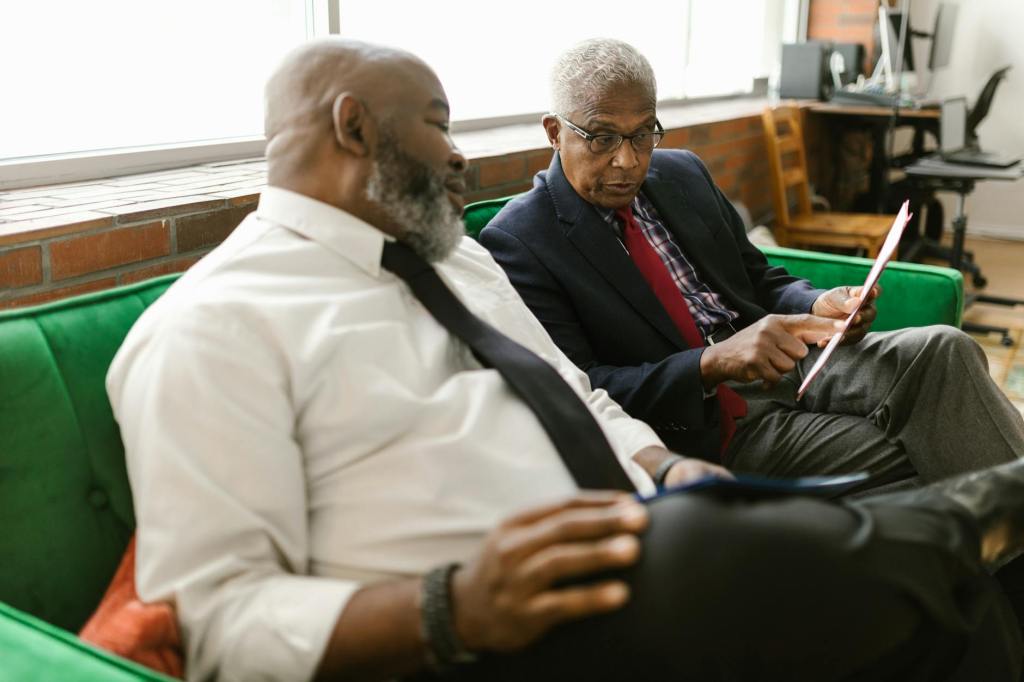
This is the second post in my 20-part series on the challenges men face—real conversations about the struggles we don’t always talk about. Today, we’re diving into identity—how men define themselves, why it’s dangerous to tie self-worth to external factors, and how to rediscover who you are beyond the titles.
The Pressure to Be “Somebody”
Men are conditioned to believe that success equals identity. From a young age, we’re asked, “What do you want to be when you grow up?”—not “Who do you want to be?” The message is clear: our value is tied to our productivity.
- Career = Identity – Many men struggle when facing job loss, career transitions, or retirement because their sense of self is rooted in what they do.
- Provider Role = Self-Worth – The pressure to provide financially can make men feel like failures if they experience setbacks.
- Performance-Based Value – We often believe that if we’re not achieving, we’re not valuable. Whether in sports, business, or relationships, our worth feels conditional.
When we internalize these beliefs, we lose ourselves in the process. We stop prioritizing our well-being, passions, and purpose beyond our responsibilities. And when life shifts—as it always does—we find ourselves lost, uncertain of who we are without the roles we once held.
Finding Your Identity Beyond Your Titles
So, how do we redefine ourselves in a way that isn’t dependent on external labels? Research on self-concept and identity formation offers key insights:
- Shift from “What” to “Who” – Instead of asking, “What do I do?” ask, “Who am I outside of what I do?” Reflect on your values, passions, and personal mission.
- Develop a Personal Identity Separate from Work – Studies show that men who have hobbies, interests, and strong social connections outside of work report higher life satisfaction and resilience. Find something outside of your career that brings fulfillment.
- Embrace Change as Part of Growth – Research in identity psychology highlights that our sense of self is fluid—it evolves. Rather than resisting change, embrace it as an opportunity to grow into new aspects of yourself.
- Surround Yourself with Support – Men who have strong support systems are more likely to navigate identity transitions successfully. Whether it’s friends, mentors, or therapy, having people who remind you of your worth beyond your job or role is crucial.
Why Support Systems Matter (And How I Learned This Firsthand)
I won’t lie—this is something I’ve struggled with. There have been times when I questioned my worth outside of my responsibilities. As a full-time single father of two, a psychologist, and a leader in my field, I’ve felt the pressure to “have it all together.” But what’s kept me grounded is my support system—the people who remind me that I am more than my titles.
Having a circle of men who uplift you, challenge you, and encourage you to be your full self is life-changing. We weren’t meant to navigate these challenges alone. That’s why I became a psychologist—to provide a space for men, especially men of color, to have options when seeking support. I know firsthand how difficult it can be to make the decision to go to therapy, regardless of race or background. There’s stigma, uncertainty, and hesitation. But I wanted to be an option—someone who understands the unique struggles men face and offers real strategies to work through them.

Therapy isn’t about weakness. It’s about having the tools and support to navigate life in a healthier, more fulfilling way. Whether you reach out to me or someone else, know that you don’t have to figure it all out alone.
Stay Connected – More to Come!
This is just the beginning of this journey. In the next post, we’ll tackle emotional intelligence—why men struggle with emotional expression and how to develop it as a strength.
If this resonated with you, share it with a friend. And if you’re ready to start prioritizing yourself, reach out—therapy is an option.
#MensMentalHealth #IdentityBeyondTitles #AuthenticManhood #MenSupportingMen #BreakingTheStigma #StrongMenAskForHelp #LeadershipAndIdentity #FatherhoodJourney #MentalResilience #DrDHope
 Dr. Darnell A. Durrah
Leave a comment