
I could not let the day end without writing a blog on national psychiatric technician day. According to the national today website (nationaltoday.com), this occurs every year on the Wednesday that falls in the first full week of August. Per the website, “psychiatric technicians are basically mental-health technicians who work with and care for people suffering from the whole gamut of mental health issues – from neurological illness and diseases to psychological disorders and developmental disabilities.” Moving forward, I will refer to psychiatric technician as a behavioral health technician (BH Tech).

Honestly, I had never heard of this day until last year. I even forgot about it until my senior BH Tech said, sir, did you know that tomorrow was national psychiatric technician day? I replied, no I did not remember. I felt horrible, because I often brag about all the wondering and amazing things BH Techs through the years have done for me as a licensed psychologist.
Many of the BH Techs do not have formal post-secondary education. In fact, many of them just have a high school diploma. Meanwhile, 95% of the BH Techs have had more motivation, passion, and commitment than some licensed providers. A BH Tech can do so many things under the supervision of a licensed provider.

Given the mental health crisis regarding access to care, imagine if licensed providers invested time training BH Techs to assist within their capabilities. BH Techs can be trained to conducted triage assessments, initially parts of initial intakes, and even administer psychological testing. In fact, in some agencies, BH Techs can conduct individual and group therapy with patients under the supervision of a licensed provider who met DSM-5 criteria for a V code and or Z code in the ICD-10. Some of these diagnoses are associated with relationship problems, educational and occupational, psychosocial circumstances, and or other psychosocial circumstances.
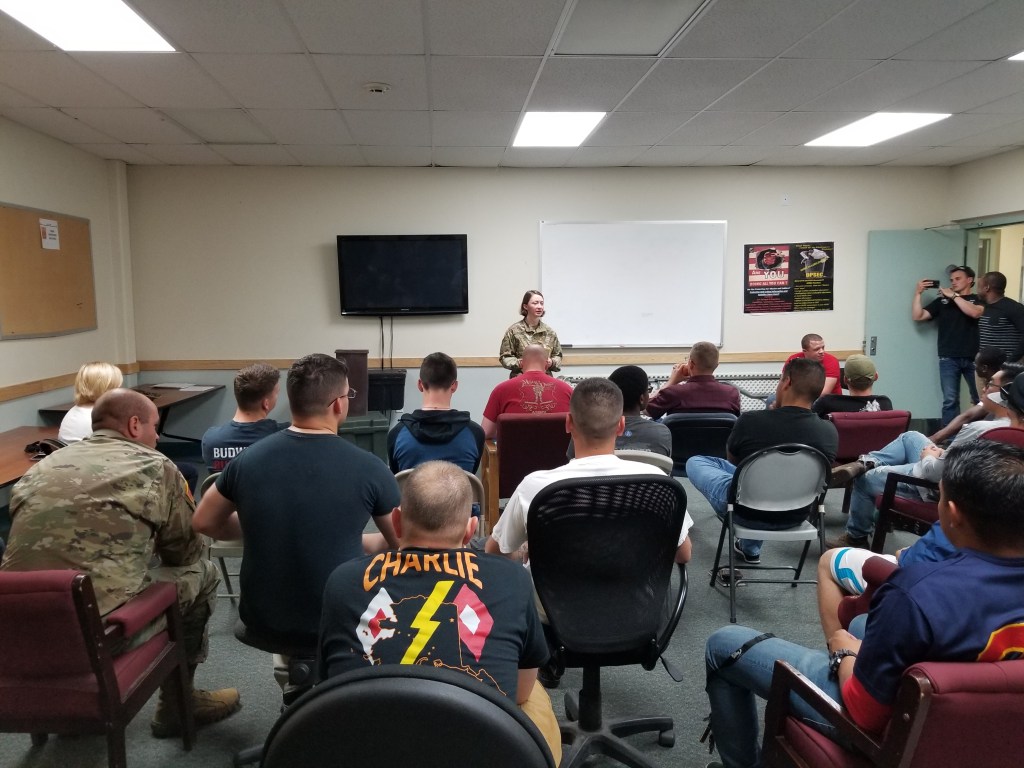
Given the opportunity, a BH Tech can do many great things for independent licensed providers, community, state, and federal agencies that provide psychiatric services. Besides, imagine if we took the time of investing in the future of psychiatric services by training those that could eventually be doing what we are now doing. However, with earlier training possible doing it even better. So, to all those psychiatric/behavioral health technicians in the world, thank you from the bottom of my heart! – Dr. D


 Dr. Darnell A. Durrah
Leave a reply to Dr. Darnell Durrah Cancel reply